
Smart Factory
This solution is specifically designed for modern smart manufacturing environments. By deploying intelligent monitoring terminals and a digital twin platform, it enables comprehensive digital management of factory power distribution systems, production equipment, and production line energy consumption. The system can detect electrical anomalies in real time, predict equipment failure risks, and intelligently optimize production power consumption strategies. While ensuring the continuous and stable operation of critical processes, it significantly reduces overall energy consumption and operation and maintenance costs.
Protect every moment of production with smart electrical systems, making safety and energy efficiency readily accessible.
When electrical hazards may cause production line disruptions and energy efficiency loopholes continue to erode profits, the traditional power system is no longer capable of meeting the demands of intelligent manufacturing. Our intelligent factory electrical solutions, through AI early warnings, reduce the risk of electrical fires by 96%, dynamic energy-saving strategies help increase average energy efficiency by 34%, and enable minute-level fault location and response. We have provided safe and reliable power support to over 1300+ manufacturing enterprises worldwide.
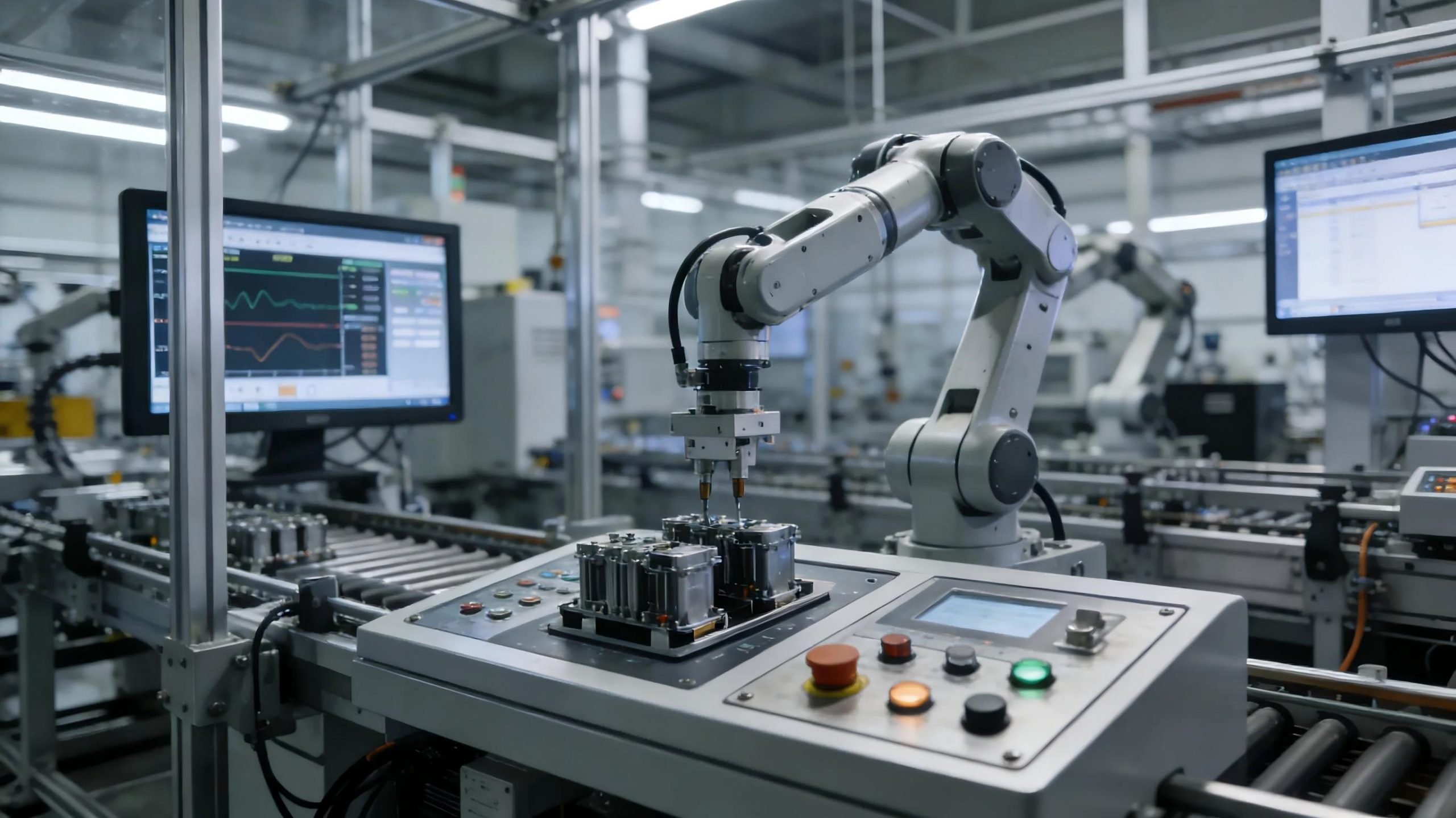
Intelligent diagnostics of manufacturing processes
The system interacts in real time with MES/SCADA, dynamically linking electrical data with production cycle, process parameters, etc. It accurately identifies concealed quality defects caused by voltage sags, harmonic over-limitations, etc., and realizes full-chain problem traceability from the energy side to the production line.
Energy Efficiency Optimization Engine
Based on real-time electricity price signals and production plans, the system autonomously generates optimal electricity consumption strategies, dynamically adjusts equipment start-up and shutdown sequences and power curves, and can reduce monthly electricity costs by up to 35% while ensuring production capacity. The system also continuously optimizes its strategies through machine learning.
Equipment health management
Digital health records are established for all key power equipment in the plant. By analyzing data from multiple dimensions, the remaining service life is predicted, maintenance needs are warned 90 days in advance, equipment life is extended by an average of 40%, and unexpected maintenance expenses are reduced by more than 55%.
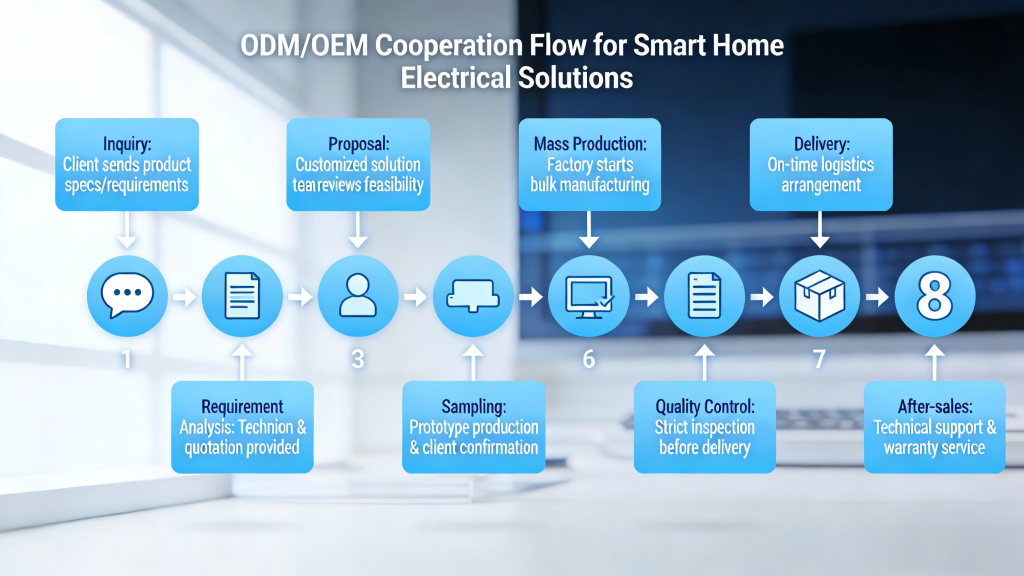
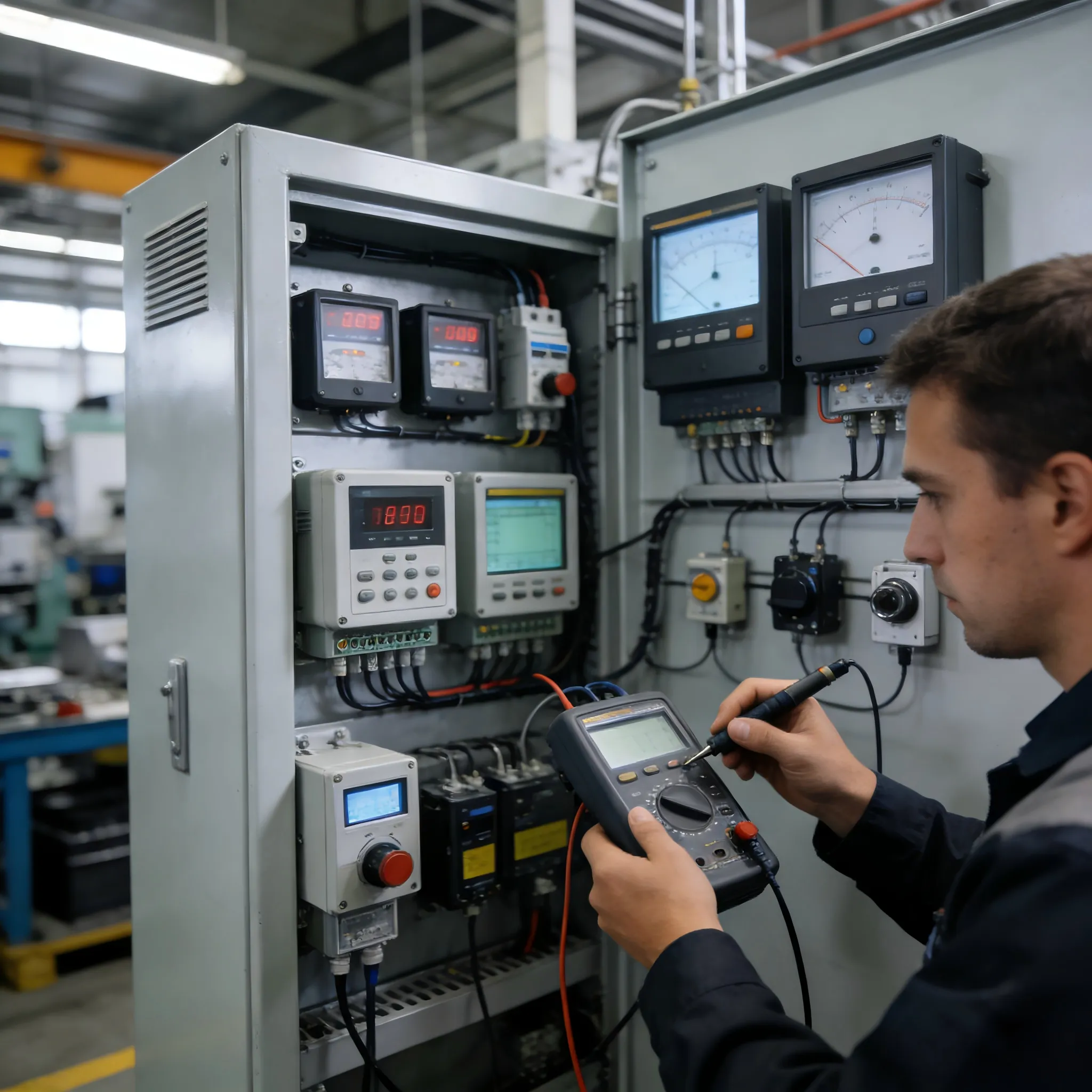
Electricity monitoring
Plant-wide power distribution safety intelligent monitoring system
This system effectively identifies potential electrical faults through millisecond-level status monitoring and AI risk warning, reducing fire risk by more than 90%, avoiding production line interruption losses due to unexpected power outages, and ensuring continuous and safe production in the factory.
- Electrical fault response time ≤ 0.1 seconds
- Power supply reliability improved to 99.99%
- Preventative maintenance costs reduced by 45%
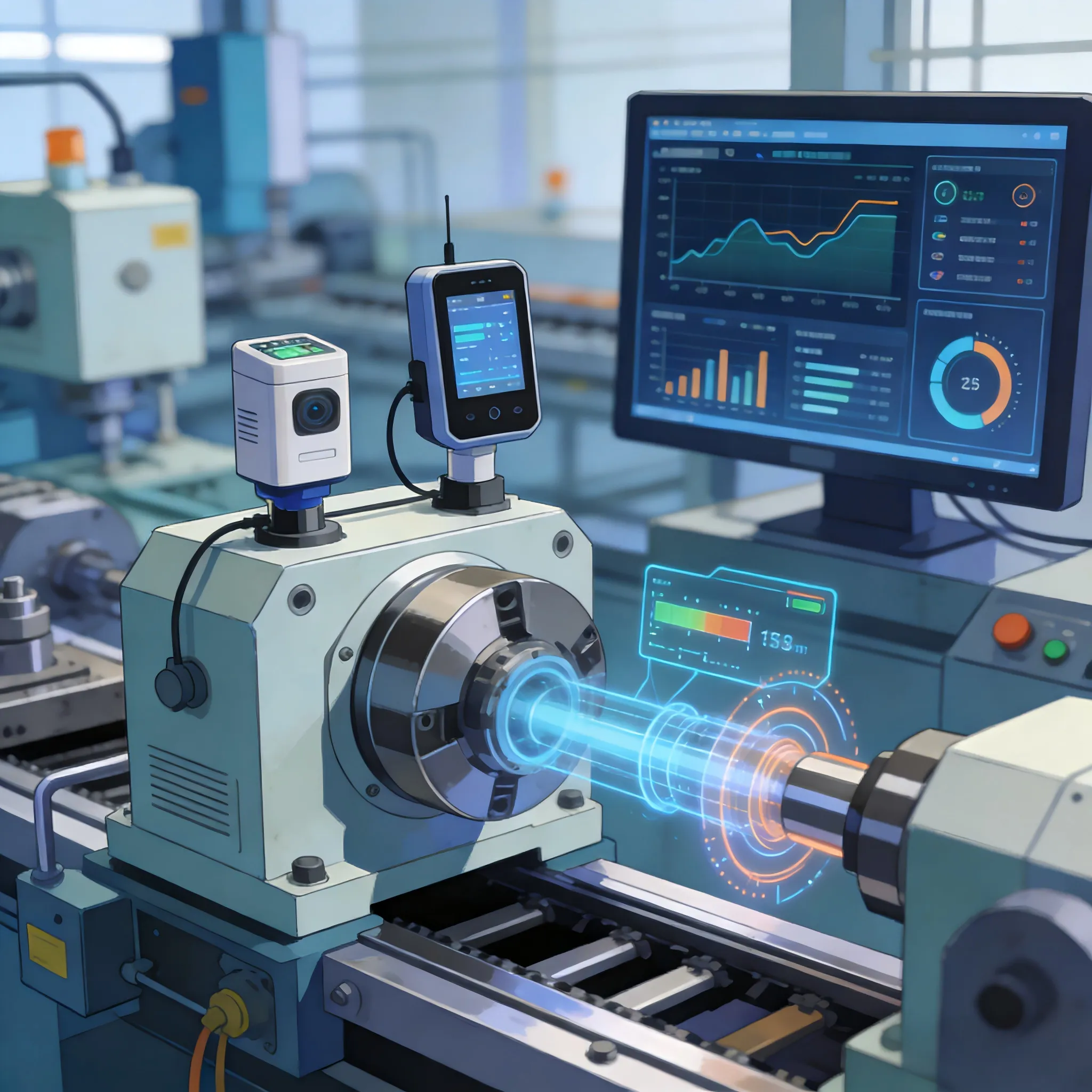
Equipment energy efficiency optimization
Production line equipment energy efficiency optimization platform
Real-time monitoring of energy consumption data for each production unit, intelligent matching of production plans and power load, and dynamic adjustment to achieve optimal energy efficiency, with an average energy saving of 35% per production line, significantly reducing production costs.
- Energy consumption intelligent identification and automatic shutdown
- Adaptive optimization of time-of-use electricity pricing strategy
- Visualization of energy efficiency improvement data for single device
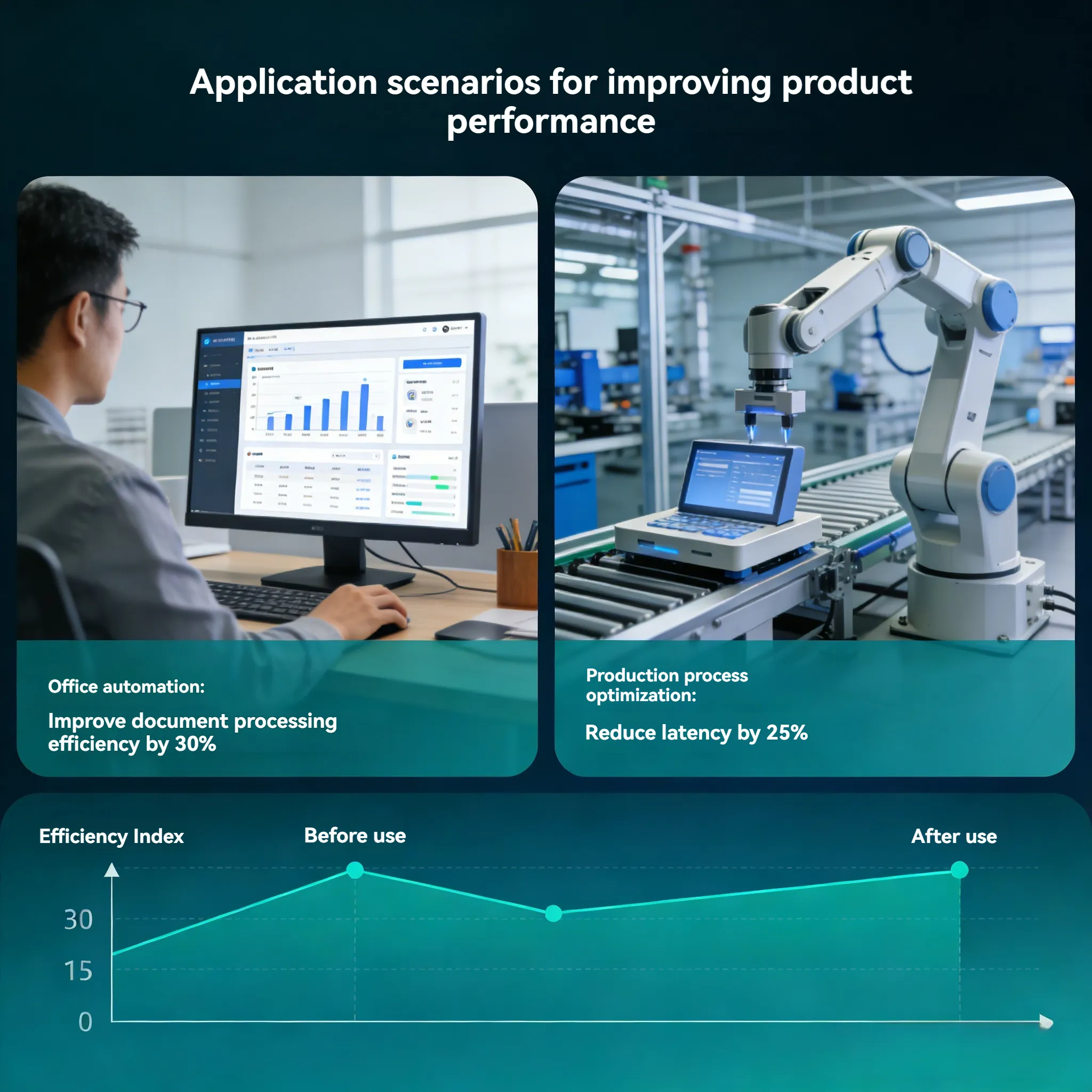
Performance maintenance
Key equipment predictive maintenance system
Based on the intelligent analysis of equipment operation data, it can predict the failure risks of key equipment such as motors and transformers in advance, achieving the transformation from regular maintenance to predictive maintenance, and reducing unplanned downtime by an average of 85%.
- Early warning of critical equipment failures is provided 15 to 40 days in advance.
- Spare parts inventory turnover rate increased by 50%.
- The overall utilization rate of equipment increased by 35%.